

Trading de Volatilidade: Estratégias para Investidores
📈 Explore o trading de volatilidade, estratégias práticas e ativos essenciais para investir com mais segurança e potencializar ganhos no mercado instável.
Editado por
Beatriz Oliveira
Trading isn’t one-size-fits-all. The style you pick shapes how you react to the market, your risk tolerance, and even your daily routine. Before you jump in, it’s smart to get a clear picture of the main trading styles out there.

Day Trading: This style means you buy and sell assets within the same trading day, often holding positions for minutes or hours. It demands constant market monitoring and quick decisions. For instance, a stock trader might capitalize on morning market moves and close all positions by afternoon.
Swing Trading: Swing traders hold positions for several days or weeks, aiming to capture price swings. This style suits those who can dedicate time but can’t watch the market all day. For example, a forex trader tracking weekly currency trends fits this method well.
Position Trading: This long-term style involves holding assets for months or even years, focusing on fundamental analysis over daily price fluctuations. An investor buying tech stock based on company growth plans typically uses this style.
Scalping: The fastest style, scalpers make numerous trades aiming for tiny profits each time, sometimes lasting seconds. It requires strong discipline and is common in highly liquid markets like commodities or forex.
Choosing the Right Style Depends on:
How much time you can commit daily to trading
Your comfort level with risk and quick decisions
Whether you prefer technical charts or fundamental news
Your trading goals and personality traits
For example, someone with a full-time job and limited free time might favor swing or position trading. In contrast, someone who thrives on fast-paced action could find day trading or scalping more rewarding.
The bottom line is that understanding these styles helps you align your trading approach with your lifestyle and objectives. Before risking any money, try paper trading or simulation platforms to test how each style fits you without the stress of real losses.
This solid foundation empowers investors, traders, brokers, analysts, and consultants to make smarter decisions tailored to their unique market approach.
Understanding the different trading styles helps you align your market approach with your goals, risk tolerance, and schedule. Each style has distinct traits that suit specific personalities and capital sizes. Picking the right type means balancing how much time you want to spend monitoring trades, what kind of risks you’re comfortable with, and which strategies make sense for your experience level.
Day trading involves buying and selling securities within the same trading day. Holding periods are usually minutes to hours, but never overnight. Day traders aim to capitalize on small price fluctuations during market hours, closing all positions before the market closes to avoid overnight risks and surprises.
Common strategies include momentum trading, scalping (though scalping is its own style), and news-based trading. Momentum traders follow stocks showing strong trends early in the day. For example, if a stock surges after a positive earnings announcement, a day trader might jump in to catch a quick rally.
Technology is a day trader’s lifeline. Fast, reliable platforms like Thinkorswim or Interactive Brokers offer real-time charts and quick order execution. Tools such as Level II quotes and hotkeys speed up decisions, while multiple monitors help track several stocks or markets simultaneously.
Swing trading holds positions from several days to weeks, unlike day trading’s single-day flips. The focus here is on catching price "swings" or trends that develop over days. It’s less frantic than day trading and doesn’t require staring at screens all day.
Swing traders typically use technical analysis like candlestick patterns, moving averages, and RSI to spot potential trend reversals or continuation. They might check weekly charts alongside daily ones to identify solid setups.
Risk management is vital since trades stay open longer. Stops are usually wider than day trading to account for normal market noise. For instance, a swing trader holding a position for two weeks may set a stop loss 3-5% below the entry price to avoid getting shaken out prematurely.
Position trading means holding trades for weeks, months, or even years. This style suits investors who want to avoid daily noise and focus on bigger picture trends. They’re less concerned with short-term volatility and more with fundamental changes or broad technical setups.

Position traders combine technical indicators with fundamental analysis, such as earnings reports, industry trends, or economic data. For example, a trader might buy shares of a renewable energy company based on long-term policy shifts and solid quarterly earnings.
This style fits traders with patience and less time for daily monitoring. It’s a good match for those balancing trading with a full-time job or other commitments.
Scalping relies on quick trades lasting seconds to minutes, targeting tiny price movements multiple times per day. The goal is to accumulate small profits that compound into significant gains.
Scalpers need lightning-fast reflexes and access to highly liquid markets like forex or major stocks. They thrive in active markets with tight spreads and low transaction costs because fees can quickly eat into profits otherwise.
Challenges include intense focus, quick decision making, and handling stress. However, the benefits are clear — scalping often requires less capital and offers many trade opportunities daily. For instance, a scalper might enter and exit dozens of trades in an hour, profiting on tiny price shifts.
Each trading style has its rhythm and demands. Finding the one that matches your personality, risk level, and schedule is crucial to building a sustainable approach in the markets.
Choosing the right trading style hinges on more than just market knowledge. It's about matching your trading approach with your risk tolerance, available capital, daily routine, and personality. Getting this mismatch right can help you stick to your plan and avoid costly mistakes.
Your comfort with risk plays a big role in selecting a trading style. For example, if you get queasy at the slightest market dip, day trading, which involves fast moves and quick decisions, might not be the best fit. On the flip side, someone with a higher risk appetite could thrive on the rapid pace and volatility of day trading. Swing and position traders, holding for longer, usually experience less stress on quick price swings.
Capital size also influences how often you can trade. Smaller accounts, say under $10,000, might struggle with frequent trades due to commission costs and margin requirements. That means styles like scalping or day trading can quickly eat up your funds. Meanwhile, larger accounts can handle higher trade volumes and use techniques like diversification to spread risk.
Trading works best when it fits into your daily life, not the other way around. If you have a 9-to-5 job or other commitments, position trading with longer holding periods fits better, allowing you to check your portfolio without constantly monitoring the market. Day traders, meanwhile, need several hours daily to watch screens and react instantly. Without ample time, they risk missing key moves or making impulsive decisions.
Balancing trading with other responsibilities is key to avoiding burnout. Parents or students juggling multiple priorities might lean towards swing or position trading. These styles give breathing room to assess trades without the pressure of immediate action.
Your personality colors how you'll handle the ups and downs of the market. Traders who are calm, patient, and disciplined tend to do well with position trading, where holding through bumps is common. Meanwhile, those with quick reflexes and a high tolerance for stress might excel at scalping or day trading, where split-second choices matter.
Consider examples: A risk-averse individual who prefers stability may find swing or position trading more aligned with their style. Conversely, someone who enjoys fast-paced environments and quick wins might be drawn to scalping. Recognizing these traits upfront can keep you from sticking with a style that feels like square pegs in round holes.
Matching your trading style to your risk, capital, schedule, and personality isn't just practical—it often spells the difference between consistent profits and costly frustration.
By thinking through these factors, you position yourself to trade smarter and more sustainably, not just faster or louder.
The right tools and resources can make a big difference when it comes to trading effectively. Whether you're a scalper needing lightning-fast execution or a position trader relying on detailed fundamental data, having software and educational support tailored to your style helps you stay ahead. Let’s break down what to look for depending on your approach.
Active trading styles like day trading and scalping demand platforms with real-time market data, quick order execution, and customizable interfaces. For example, platforms like Thinkorswim or Interactive Brokers offer low-latency order placement and advanced charting tools, which are critical when you’re trying to capture tiny price moves within minutes or seconds. Features such as hotkeys and Level 2 order book access allow traders to react instantly to market shifts.
On the other hand, position traders and swing traders benefit more from platforms that provide comprehensive analysis tools and fundamental data integration. Tools like TradingView or E*TRADE offer detailed charting over long periods, economic calendars, and news feeds that support longer-term decision making. These traders usually don't require split-second execution but need reliable data to identify major trends and evaluate company health.
Brokerage choice also matters depending on your trading style. Active traders should consider brokers with low commissions, tight spreads, and minimal slippage to keep costs down, since frequent trades can rack up fees quickly. Brokers like Fidelity or TD Ameritrade have competitive pricing and strong trade execution speeds. Position traders might prioritize brokers offering robust research tools and more flexible accounts, such as Schwab or Vanguard.
Additionally, platform reliability during volatile market hours is key. An outage during peak trading can cost you heavily, especially if you’re day trading. Make sure your broker's platform has a solid uptime record and available customer support.
Learning resources tailored to your trading style provide a foundation to build skills and avoid common pitfalls. For day trading and scalping, look for courses and webinars that focus on technical analysis, fast decision-making, and strategy testing through simulated trading. Websites like Investopedia and Warrior Trading offer detailed tutorials and practice platforms.
For swing and position traders, educational materials often emphasize understanding macroeconomic indicators, company fundamentals, and technical patterns over longer time frames. Books such as "Trading for a Living" by Dr. Alexander Elder can provide both technical and psychological insights.
Joining mentorship programs and trade communities offers real-time feedback and support. For instance, discord groups or trading forums provide a space to discuss setups, share insights, and refine strategies. Experienced traders acting as mentors can help you avoid costly errors and spot opportunities you might miss alone.
Connecting with a community helps maintain discipline and motivation, especially during tough market swings. It’s a practical way to stay updated and continuously improve.
Ultimately, blending the right software with sound education and community support empowers you to pick a trading style that fits your needs and sharpen your edge in the market.
When you pick your trading style, recognizing potential pitfalls can save you from costly mistakes. Every style—from day trading to position trading—has its own traps. Knowing these risks upfront helps you manage expectations and improve your chances of success. The bottom line is that many traders stumble not just because of market moves but because of avoidable errors in their approach.
Signs of overtrading: Overtrading happens when traders make too many trades, often driven by impatience or the urge to recover losses quickly. You might notice this if you’re jumping in and out of the market without clear setups or if your trading volume spikes during stressful moments. Overtrading eats your capital through commissions and exposure to unnecessary risk. For example, a swing trader constantly switching to day trading tactics might suffer erratic returns because the style doesn't match their risk tolerance or time commitment.
Techniques to control emotions: Staying disciplined requires managing your emotional state. Practical methods include setting strict trade limits—say, no more than five trades a day—and using stop-loss orders to avoid panic exits. Some traders find success journaling their trades to spot emotional patterns, while others rely on automation tools to remove impulsive decisions. For example, using trading platforms like Thinkorswim or Interactive Brokers lets you automate entries and exits, taking the heat out of emotionally charged markets.
Need for flexibility in adapting to market changes: Market conditions don’t stay static. A style that worked well during a bullish environment might struggle when volatility spikes or trends fade. Flexibility means being ready to tweak your approach so it stays effective. For instance, a scalper in a choppy market might switch to swing trading tactics temporarily until volatility calms down.
When to rethink your approach: If you consistently encounter losses or your trading no longer fits your lifestyle—like when job demands prevent active monitoring—it’s time to reevaluate. Look at key performance indicators: if your win rate drops significantly or you feel burned out, these are red flags. Adjusting might involve switching from active day trading to a less time-intensive position trading style, ensuring you remain aligned with your goals and capabilities.
Avoiding common pitfalls isn’t about being perfect but staying self-aware and flexible. Keep a clear head, stick to your plan, and don’t be afraid to change course when the market or your situation demands it.
📈 Explore o trading de volatilidade, estratégias práticas e ativos essenciais para investir com mais segurança e potencializar ganhos no mercado instável.

🚀 Descubra fundamentos e práticas essenciais para o trading online: tipos de ativos, plataformas confiáveis e estratégias para negociar com segurança e eficiência.

📈 Descubra as vantagens do trading com CFDs: flexibilidade, alavancagem e acesso a vários mercados. Ideal para quem quer operar em alta ou baixa! 💡
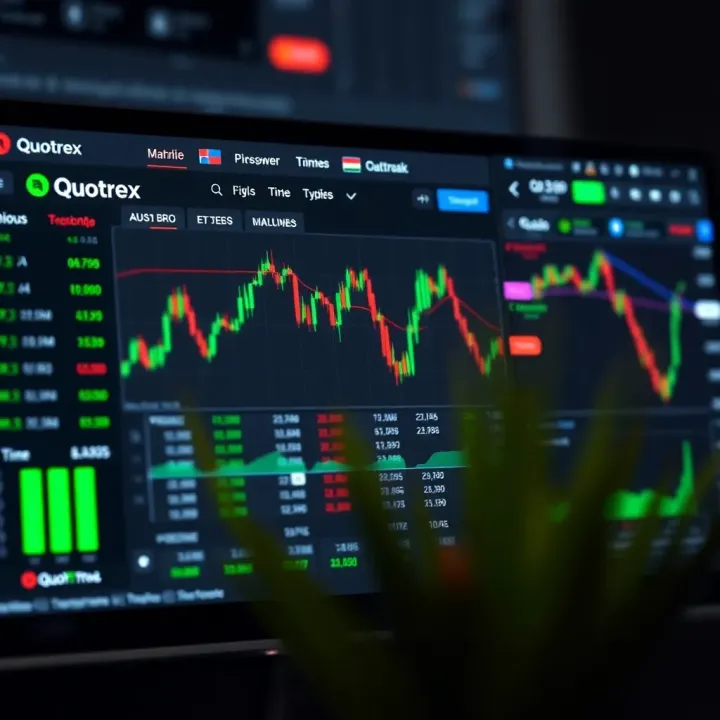
🔍 Explore a Quotrex: análise detalhada dos recursos, segurança, prós e contras. Saiba como se cadastrar, operar e obter resultados na plataforma! 📈
Baseado em 5 avaliações